Archive for the ‘Horse Comfort’ Category

Solid Rubber Mat vs. Foam Mattress…Which is ideal for your stalls?

August 29, 2012

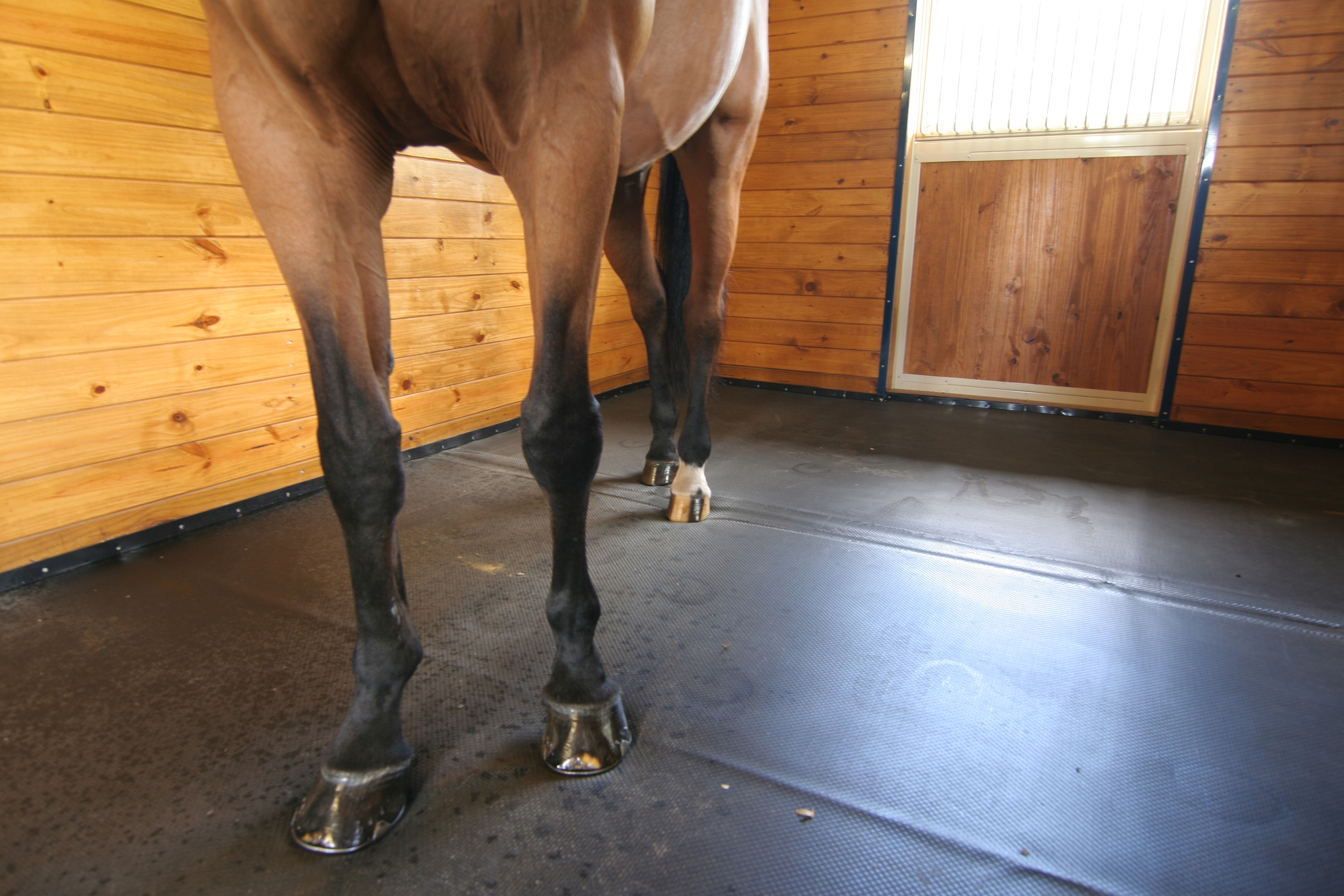
When choosing a surface for your stalls, how do you decide which material will provide the most comfort?  Comparing two popular mats, solid rubber and foam, can help with the decision.

Solid Rubber Mats:

Benefits:

  • Long life; added ability to withstand continued use
  • Can help keep dust production down
  • Can help to reduce slippage
  • May assist in preserving your floor’s natural surface

Drawbacks:

  • May require additional bedding materials for comfort
  • Could retain odor and moisture
  • Heavy (can weigh up to 150 pounds); making it difficult to remove and level/clean out stalls

Foam Mattresses:

Benefits:

  • Memory foam material helps cushion tired/strained ligaments and joints
  • May be sized for wall-to-wall coverage in a variety of stalls
  • Remains level
  • May resist bacteria growth

Drawbacks:

  • Initial expense; however, many come with a warranty

When it comes to choosing a stall surface for your horse, for the best return on investment and overall comfort it pays to choose SuperStall®, by IGK Equestrian.  In addition to all the benefits listed above, SuperStall® features a waterproof, woven top cover that helps to reduce labor and disposal efforts and cost, along with a 5-year warranty.

What mats are you using in your stalls now?

Tips for Cooling Down as Temperatures Heat Up…

July 10, 2012

When the thermometer soars in summer it’s important to make sure your horse remains comfortable. Taking a few simple precautions will help you both keep your cool.

  • Ventilation – Keep the air moving as much as possible in the barn. Try to keep windows open and use fans to circulate air (and keep flies away). Misters are also a good idea for an instant cool-down solution.
  • Shade – When outside in the elements, try to allow your horse the opportunity to lay and rest in shady spots. It is a good idea to keep horses inside during the hottest part of the day in order to avoid exhaustion.
  • Workouts – There is no need to abandon riding altogether in high temperatures, but try to keep workout times to a minimum. After you’re finished, give your horse a cool bath to lower body temperature.
  •  Electrolytes – Providing your horse with added electrolytes, such as a mineral or salt block, can help to replace nutrients lost from excessive sweating.
  • Water – Be sure to provide your horse with plenty of fresh, cold water to drink throughout the day.

In high temperatures, it is likely your horse will be spending a lot more time in the stall to escape the heat and harsh UV rays. Therefore, the maintenance of the stall environment is essential to keeping your horse healthy in the heat.

Bacteria growth accelerates in warm, wet and humid weather, making your horse’s stall an active breeding ground for potentially harmful diseases. Using a stall mattress, rather than only organic bedding materials, helps to combat the excess growth of bacteria and maintain hygienic living conditions.

The SuperStall® mattress, made by IGK Equestrian, helps horse owners use less bedding materials, limits bacteria growth in scorching temperatures, allows for less mucking, reduces the risk of disease for your horse and the cost of bedding for you. SuperStall® will help to keep your horse cooler in high temperatures and allow you the opportunity to sit back, relax and enjoy the summer.

What are some things you do to help your horse stay cool in the summer?

“Is it time to change my stall mats?”

June 18, 2012

We’ve discussed the benefits of using stall mats to help reduce stall odor and cut back on bedding.  But, when is the proper time to retire or upgrade those mats?

The durability of rubber stall mats depends on their thickness and weight composition.  Normally, the heavier the mat the better it will hold up to continued use.  You shouldn’t have to replace your mats for many years if they are properly cared for.  It’s important to remove and thoroughly clean the mats to make sure they are in good working order.  If you are using a lighter weight mat, you may have to remove it once a month to re-level the stall; however, with heavier mats, this may only be a semi-annual event.

It is also important to note the more active your horse is, the more often you will need to remove, clean and re-level your stall.  This can be a tough job, especially with solid rubber mats.  Often, women find it helpful to work in teams in order to ease the strain of having to lift such heavy mats.

If you consistently maintain your mat, it is unlikely a mat of good durability will stretch, tear, or weather for the duration of its use.  Some mats also come with a manufacturers’ warranty to ensure quality and provide you with a better estimate of how long the mat should last.

Of course, to ensure the greatest return on your investment, be sure to select a stall mat with benefits for both you and your horse.  The SuperStall® mat by IGK Equestrian provides horses with the softness they need to cushion tired joints and ligaments.  Its recycled memory foam construction will resist compaction over time for added durability.  The tough, waterproof top cover resists tearing and is field repairable.  And a 5-year warranty helps you sleep easier too.

When is the last time you changed your stall mats?

Stall Rest Recovery

May 22, 2012

Having a horse on stall rest is something every horse owner will eventually encounter. Whether the recovery period is due to lameness, show fatigue, suspensory problems, or after an operation, you’ll both have adverse reactions to the confinement.  Here are some helpful tips and tricks to help make your horse’s recovery period manageable.

Remember, your horse is used to being active. It will be helpful for your horse to convalesce in a stall with a window so he/she can see activity happening around them and get some fresh air. Your horse may need some extra attention after being cooped up alone for the majority of the day. Be sure to practice regular grooming habits to help keep him/her relaxed and comfortable. Another animal in the barn provides companionship and a mirror in the stall, or a radio at low volume provides welcome background noise. Adjust your feeding routine by limiting intake to counter excess amounts of energy your horse will have from constantly being in the stall.

The reason for necessary stall rest could also play a role in determining proper care techniques.

  • If your horse has a suspensory ligament, it is important to prevent access to open pastures or arenas in order to limit the amount of physical strain that is placed on the legs. Instead, you could handwalk your horse on short jaunts, but only if you think he/she will be up to it.
  • After shows, your horse may experience symptoms of fatigue, including a slowed pace, loss of motivation, hindered coordination and increased breathing.  If your horse experiences these symptoms, it is important to allow him/her the chance to get plenty of rest.  Be sure to provide your horse with a soft surface in the stall to cushion joints and hooves after extended periods of exercise.

Stall mattresses provide a more comfortable surface, which creates a more well-rested horse that will be ready to perform for the next show. SuperStall mattresses are an ideal choice for increased horse comfort and feature an easy-to-clean waterproof top cover for owner convenience and a more hygienic environment.

What techniques do you use to provide your horse with a speedy recovery?

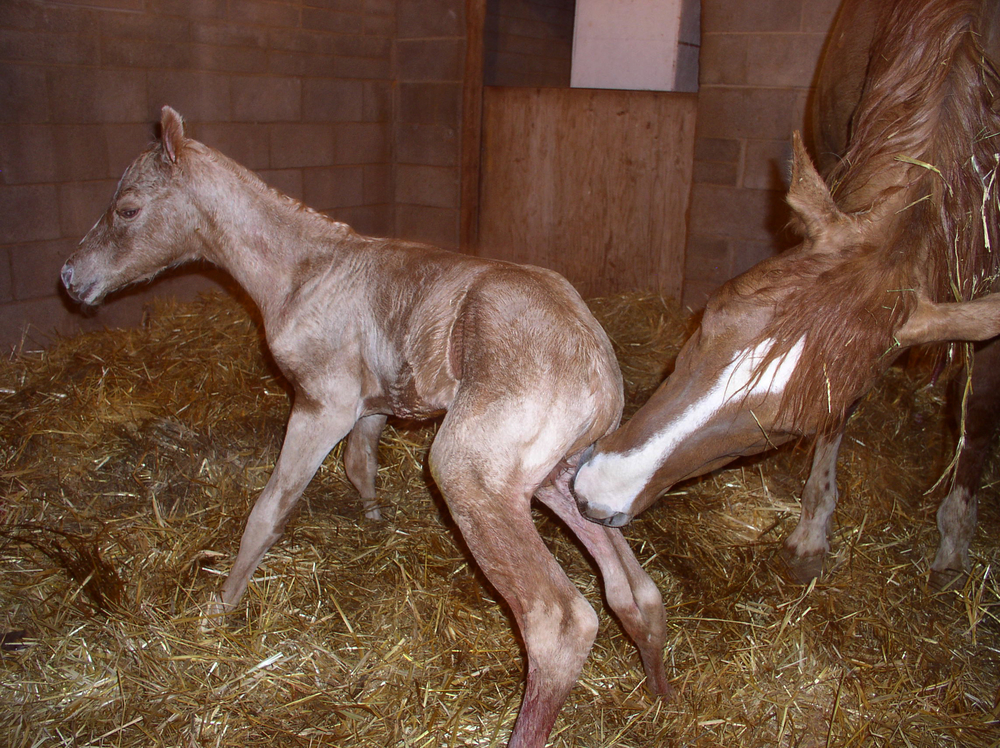
How to Create a Safe Foaling Stall

April 26, 2012

With foaling season upon us, you may have already started preparing your mares’ stalls for the upcoming birth. Here are some important tips to consider when it comes to creating a proper foaling environment.

  1. Choose the Stall:  You will need to choose a large enough stall that can comfortably house your mare and foal, ideally 12 ft. by 12 ft.  Pick a stall secluded from neighboring horses, but with adequate ventilation and light.
  1. Prep the Stall: Thoroughly inspect the stall for any potential hazards, including large splinters, protruding nails and hooks, abrasive rough spots on walls or floors, or hoof-sized traps in the floor or corners.  Finally, remove any strings, cords, or dangling ropes that could entangle wobbly newborns.
  1. Clean the Stall: Take everything out of the stall and thoroughly clean and disinfect the walls and floors. This includes sweeping and scrubbing the walls with a detergent followed by an approved disinfectant diluted in water. Don’t forget feeding equipment, as those items may harbor bacteria harmful to a newborn foal.  Be sure to rinse well and let the stall air dry completely.
  1. Bed your Stall: After making sure the floor is level, now it is time to properly bed the stall for comfort and safety of both the mare and foal.  A foam mattress like SuperStall provides a safe, cushioned and hygienic surface ideal for the foaling environment. SuperStall comes with a waterproof top cover that allows all waste and bacteria to be remain on the surface and be removed with bedding for easier cleaning.  You should also provide a layer of foal-safe bedding materials, such as straw, wood pellets, or shredded paper, on top of the SuperStall to provide additional comfort and security for the foal.
  1. Maintain your Stall: Finally, be sure to frequently clean and muck out your stall after the birth. Maintain a safe living environment free of sharp edges and hazards and provide adequate light in the stall throughout the night in order to keep a watchful eye over mare and foal.

Have you already started preparing your stall for foaling season?  What other tips would you recommend?

Cutting Back On Bedding

April 11, 2012

Cutting Back On BeddingStraw, sawdust, wood shavings, shredded paper and rubber mats are just some of the bedding materials horse owners and stable managers use to help horses stay dry and comfortable. Comfort without dryness can breed disease and odor, while dryness without comfort results in an unhappy horse.

The problem with bedding for both dryness and comfort is dealing with excess amounts of bedding, specifically removing and disposing of it,  as well as hauling out the mats, cleaning and re-leveling the stall base, and re-installing the mats.

Using a mat system with a waterproof top cover helps reduce the amount of bedding and odor, while also reducing disposal costs. A wall-to-wall top cover creates a “moisture tray” that allows for waste to be trapped on the stall surface and easily removed with the bedding.  Overall, a waterproof cover can help to reduce the amount of additional bedding materials, labor to muck out the stalls, and disposal costs.

Recycled memory foam mats like SuperStall®, and rubber-filled mattresses like Equisoft® by IGK Equestrian, include a waterproof top cover constructed of tough, woven fabric that can custom sized to fit everything from a standard 12’ x 12’ box stall to a 12’ x 24’ foaling stall. They really help to keep “stall stench” down to a minimum.

One caveat: a customer has brought to my attention that she is reluctant to install SuperStall® because it would ruin her “social life!”  She and her friends make it a point to periodically get together and work on re-leveling their stalls. The women have even designated this time as their ladies “wine night” and actually look forward to completing this task with one another. However, with the addition of SuperStall® there is no re-leveling, and mucking is much less than with other bedding techniques.

What strategies do you use for reducing the amount of bedding in your stalls?

Fuming over stall odor?

February 23, 2012

Stinky StallThe average horse generates more than two gallons of urine and 30 pounds of manure a day. All that waste has to go somewhere, and in a stall environment, that “somewhere” is usually into a pile of pine shavings on top of a rubber floor mat. Now, no one expects a boarding stable to smell like a lilac grove, but it shouldn’t bring tears to your eyes, either. When drainage is poor, or stalls aren’t mucked out regularly, the resulting ammonia fumes and bacteria build-up can be irritating at best and harmful at worst – for horses and humans.

Bedding material is obviously important, and you’ll want the most absorbent you can afford – sawdust or pine shavings are ideal. And while you certainly don’t want to skimp on all that waste-absorbing bedding, it’s worth noting that the thicker the floor mat, the less bedding you’ll need.

One major cause of stall odor is urine pooling under the mat. Foam and rubber mats provide dual benefits of cushioning tired joints and reducing the amount of bedding needed, so don’t get rid of them. But if pooling is a problem, the mats will need to be lifted, cleaned and allowed to dry completely. This will help reduce odor and disease-causing bacteria in waste trapped under the mats, but it’s also time and labor-intensive.

To give your horses all the cushioning benefits of a mat without the potential pooling problems, consider a waterproof top cover. This is a single piece of tough, woven fabric made to fit wall-to-wall on top of a foam or rubber mat within the stall. The top cover creates a “moisture tray” that allows urine and feces to be captured on top and easily removed with the bedding. In addition to getting rid of all that odor and bacteria-producing waste before it has a chance to run under the mat, you’ll also reduce the amount of shavings needed for bedding, labor to muck out the stalls, and disposal costs.

Foam mats like SuperStall®, and rubber mats like EquiSoft® by IGK Equestrian, come with top covers that can be custom-sized for any surface, from a standard 16’ x16’ box stall to a 12’x24’ foaling stall. They do a great job of keeping “stall stench” to a minimum.

How do you manage stall odor?

Carolyn

My name’s Carolyn. I’m an arena footing freak.

January 18, 2012

Carolyn KyleA few years ago, my husband Peter and I were at the Syracuse Invitational Sporthorse Tournament watching Margie Engle navigate the World Cup Qualifier Grand Prix. While everyone was watching Margie, we were watching the footing. You see, we made it and installed it. So while Margie delivered yet another breathless performance, Peter and I scanned the arena floor, silently assessing its traction, stability and response.

That’s what we do, Peter and I. We travel to shows and stare at floors. I guess you could say we’re arena footing freaks. We have to be. As owners of IGK Equestrian, we manufacture and install arena surfaces in coliseums, equine hospitals and lesson barns (we’ve even helped make footing for Thoroughbred tracks in Dubai and Hong Kong). We also make equine comfort systems – mattresses made of foam or rubber — designed specifically for performance horses. So you could say we know quite a lot about the equine footing and bedding business.

Over the years, we’ve heard a lot of the same comments about footing and bedding. Too dusty. Too slippery. Freezes too quickly. Too abrasive. We’ve heard about footing that shifts suddenly under the horse, leading to a loss of confidence at best and an injury at worst. We’ve heard from owners of sand arenas who are using up to 3,500 gallons of water per day just to keep dust under control. We’ve heard from trainers who hate to rake and horse owners who hate to muck (sound familiar?). We can’t completely eliminate raking in the ring or mucking in the stable, of course, but there are ways to make these things less of a pain — for you, your crew, your riders and boarders.

I started this blog to address some of the main challenges associated with footing and bedding, share success stories and provide a discussion forum for trainers, arena owners, veterinarians, stable managers, and riders of all disciplines. Please feel free to chime in. Because when you get right down to it, it’s all about supporting your horse.

Carolyn