Archive for the ‘Uncategorized’ Category

IGK Equestrian Teams With Project Green Ball

August 12, 2015

In 2012, IGK Equestrian teamed up with Project Green Ball to perfect a way to recycle tennis balls. Over three hundred million tennis balls are manufactured around the world every year, and every year tens of thousands of tennis balls are thrown into the trash, and then discarded into landfills. Instead of letting all of these tennis balls bounce their way to a landfill, IGK Equestrian and Project Green Ball have found a way to recycle them.
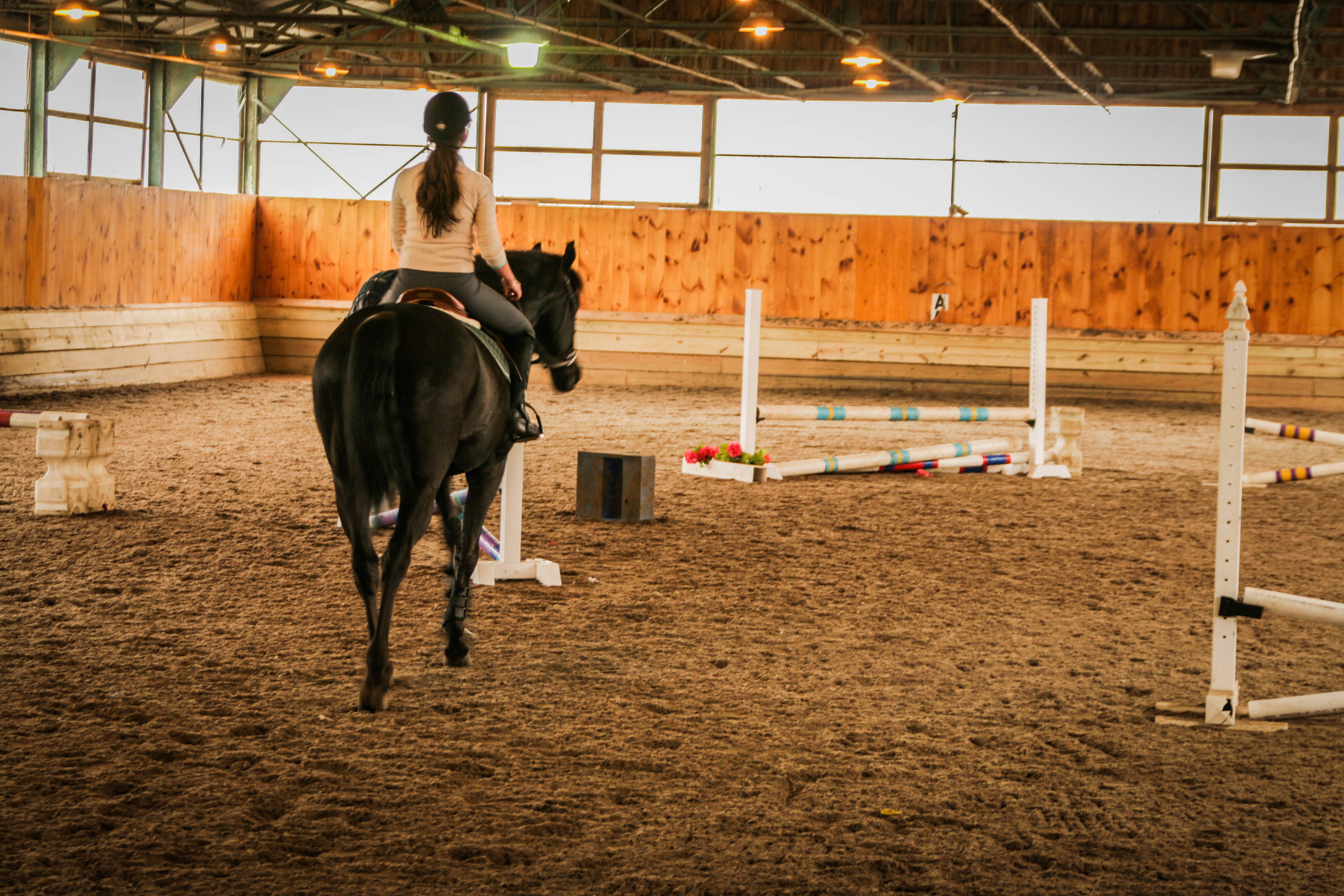
Dana Hall indoor arena with our Grand Slam Footing

Every day we get boxes and boxes of tennis balls shipped to our warehouse. If you headed out to the back of our facility where all of the tennis balls are warehoused, you would see just how many tennis balls are sent to us. At one point we had as many as 200,000 tennis balls.

If you don’t know, IGK Equestrian has been manufacturing horse footing products since 2003 (for over 12 years). We’ve created the perfect dust-free riding surface for every discipline. By teaming up with Project Green Ball, we have agreed to help recycle the tennis balls, grinding them up and incorporating them into a special mix for our dust-free synthetic footing, called our Grand Slam footing (“GS”).

In 2012, Dana Hall School in Wellesley, MA purchased the very first arena using ground tennis balls which provided the fiber and rubber for our footing recipe. Through Project Green Ball, a granting fund for therapeutic riding arenas has been established by UPS, specifically addressing the recycling of tennis balls. The EquiCenter, Inc, located in Honeoye Falls, NY received such a grant in 2013 for their indoor therapeutic arena. IGK Equestrian has received positive feedback from both facility operators and was invited to the donation ceremony at the EquiCenter. You can check out our Facebook Page to see pictures of the event.

There is still opportunity to have your therapeutic facility funded through UPS for the purchase of “GS” riding arena surface. (We are here to answer any technical questions you may have about the base prep and installation of your arena surface.) If you’re interested in applying for a grant for your therapeutic riding facility you may visit Projectgreenball.org or email info@projectgreenball.org.

PARMA Groomers are the Perfect Accessory

August 12, 2015

IMG_2197Maintenance can be one of the biggest hassles when it comes to taking care of a horse arena.  Some arenas have to be watered daily, or groomed daily, or raked daily, the list goes on and on.  Our dust-free arena footing, TruStride, LiteStride, or 5K Ranch, are all very low maintenance. In my opinion, that’s the best part about them! They do not have to be watered, ever, and are groomed very seldom. We’ve had customers who only groomed their arena once per year! We love to hear that kind of feedback from our customers.  However, grooming is going to be arena specific depending on how much traffic you have in your arena.

In 2013 IGK Equestrian became a certified dealer for PARMA Arena Groomers. There are many different groomers on the market but we choose to partner with PARMA Arena Groomers because of their high quality construction, affordable pricing, and specialization in synthetic groomers.  Every customer of ours that has purchased a groomer along with their footing, have been extremely happy with their purchase. The specific groomers that we recommend are Coil Tine groomers from PARMA. These groomers are specifically designed for less aggressive grooming. They groom only about an inch into the footing and don’t dig down too deep; therefore they do not pull the footing one way or another. Our footing only needs the top inch of the footing to be groomed, and PARMA Groomers do exactly that.

The mini models of PARMA Groomers come in five, six, seven and eight feet widths so that you can get a custom groomer to perfectly fit your arena. After choosing the correct width, you then would choose if you want your coil tines nine inches apart or three.

Maintenance with our dust-free synthetic footing is easy, but you can make it even easier with a PARMA Groomer.  Feel free to check out ourinstallation video that shows exactly how our footing is installed and a small snippet of a PARMA Groomer in action.

Biggest Mistakes When Installing an Outdoor Arena

August 12, 2015

The summer weather has everyone wanting to start working their horses outside, and get out of their indoor arenas. I get the most calls about going about outdoor arenas just around the beginning of June. When building anything, a minor mistake can lead to something very costly, and a horse arena is no different. There are many common mistakes that can be easily avoided during the construction of your arena. The following are the top mistakes that I commonly see, IMG_2186and a few tips to avoid these mistakes!

  • Location: Drainage is one of the biggest problems that arise in outdoor arenas. When choosing a spot to build an arena, you must be sure that the arena is placed in the correct spot. The spot should have sufficient natural drainage, located on a high spot of your property, and relatively flat. Making sure that your arena is placed in the correct spot, you can avoid major drainage issues in the future.
  • Improper Drainage: In addition to the location of the outdoor arena allowing for natural drainage, additional drainage also needs to be added. If no drainage is added, you can end up with a swampy footing even after a small rainfall. There should be drainage around the entire perimeter of the arena. Depending on the material of the ground, you may need to add more drainage in addition to the perimeter drainage. Every arena is going to be different; no one arena is the same.
  • Wrong Base Materials: The material that the base is made up of is very important. A base made up of large rocks is the worst thing you can do for your arena for the fact that these rocks will not compact together. Many times the big rocks end up mixing in with your footing, painting a dangerous scenario if you were to train your horse and have that rock go directly into the hoof. For our footing we always suggest bigger rocks for the very bottom of the base, and small aggregate limestone on top of the bigger rocks. The limestone needs to be washed so that no dust can come from it. These small rocks will compact together once watered and rolled to create a solid base. The stone dust base should be 3-4 inches compacted and crowned. Crowned means that the middle of the arena is the highest point, and slopes slightly to the outside edges.
  • Installing the footing incorrectly: No matter where you get your footing, it needs to be installed properly. Many people think they can just lay the footing down and groom it and it will be fine; which is very wrong. The most important thing for the footing is that it’s level. High or low spots for your arena can hold water, or severely hurt your horse if he/she were to step in one while training. We always suggest using a laser level to be sure that your arena is completely level. By following our Installation Video, you can be sure that you properly install our dust-free footing, and not make a costly mistake.

Be sure to plan ahead when you are brainstorming your new arena, and please feel free to give us a call at any time for our assistance!

Add SuperStall Mattresses to Your Dream Barn

August 12, 2015

Everyone loves to plan their dream barn. Like what the doors will look like, if it will have a cupola, or what stall IMG_2221 (1)doors they want installed. Doing a lot of research before going straight to building this dream barn is always ideal too. So of course I get lots of emails about horse stalls. One of the biggest questions we get at IGK Equestrian is why should I choose your SuperStall for the floor of my stall??

Let’s take a look at the variety of options available for stall floors: topsoil, clay, sand, concrete, asphalt, road base mix, solid rubber mats, grid mats, wood, sand…. The list goes on and on. But the main thing to worry about when it comes to the floor is the well-being of the horse, and then the owner’s interest second. The first and most important aspect of flooring is the ability to be able to “give” a little when the horse steps onto it and be comfortable to stand on for long periods of time; this will wipe out potential strains in the feet and legs of the horse from standing on hard surfaces. The material would need to be able to stay dry to eliminate the issue of bacteria infecting the horse’s hooves, and the issues caused from horses breathing in ammonia in their stall. Not to mention that horse owners do not particularly want to walk into a poignant smelling barn. The surface needs to provide the right amount of traction. If there is too little traction, the horse could potentially slip when the surface is wet, causing not only injuries to the horse, but also creating a fear of the stall. The flooring also needs to be level. Some materials start out level and eventually develop “pot holes” in different areas of the stall. You will end up using more bedding to try and fill these “pot holes” which will then just encourage the horse to use the bathroom in these same spots, further deepening the holes. The uneven surface can cause the horse to trip in their stall, again potentially creating a fear of the stall or worst case scenario: injuries to the horse. Now for the owner’s preferences: it needs to be durable, long lasting, low maintenance and easy to clean. No one wants to spend hours and hours fixing the flooring every few weeks, or replacing it ever year or two.

Sand, concrete, limestone dust and wooden floors are all the most popular floor choices, but each of them has a vice or two. Sand has the issue of being too absorbent, concrete floors and limestone dust do not provide the adequate cushioning for the horses, and wooden floors can become very slippery when wet and can rot away. Rubber floor mats are also another option, but some of these also have issues. If you get the ones that inter-lock together or are laid down next to one another, liquids can seep underneath these mats, creating a noxious smell and possible bacteria issues.

Our SuperStall® mattress system is the perfect solution to stall flooring. It is a one piece, wall-to-wall memory foam mattress with a non-slip durable rubber topcover. It provides the perfect amount of cushioning for your horse that is easy on the legs and withstands the toughest horse wear and tear. It is easy to clean and low maintenance. Our customers have used over 70 percent less bedding, saving in time and money! The topcover attaches to the wall so no liquids can make their way underneath, eliminating the issues of bad smells and bacteria.

Whether deciding what stall flooring you want in your new dream barn, looking to add a few more stalls, or replacing some old stall flooring, we would love to talk with you more about the best option for your stall!

Is Slippery Footing Causing Damage To Your Horse?

August 12, 2015

asdfasfA five-day rain stretch has finally come to a close and you decide it’s the perfect time to take your horse outside to train and get some fresh air. Although the ground is a little soggy and wet you’re sure he’ll be okay. After you start to lunge him you notice that he’s already sliding all over the place on the slippery footing. So you decide that although you love the fresh air, it might be better to take him inside the riding arena. But once you start riding inside, you realize he still doesn’t seem to be griping the arena footing right. What is going on?
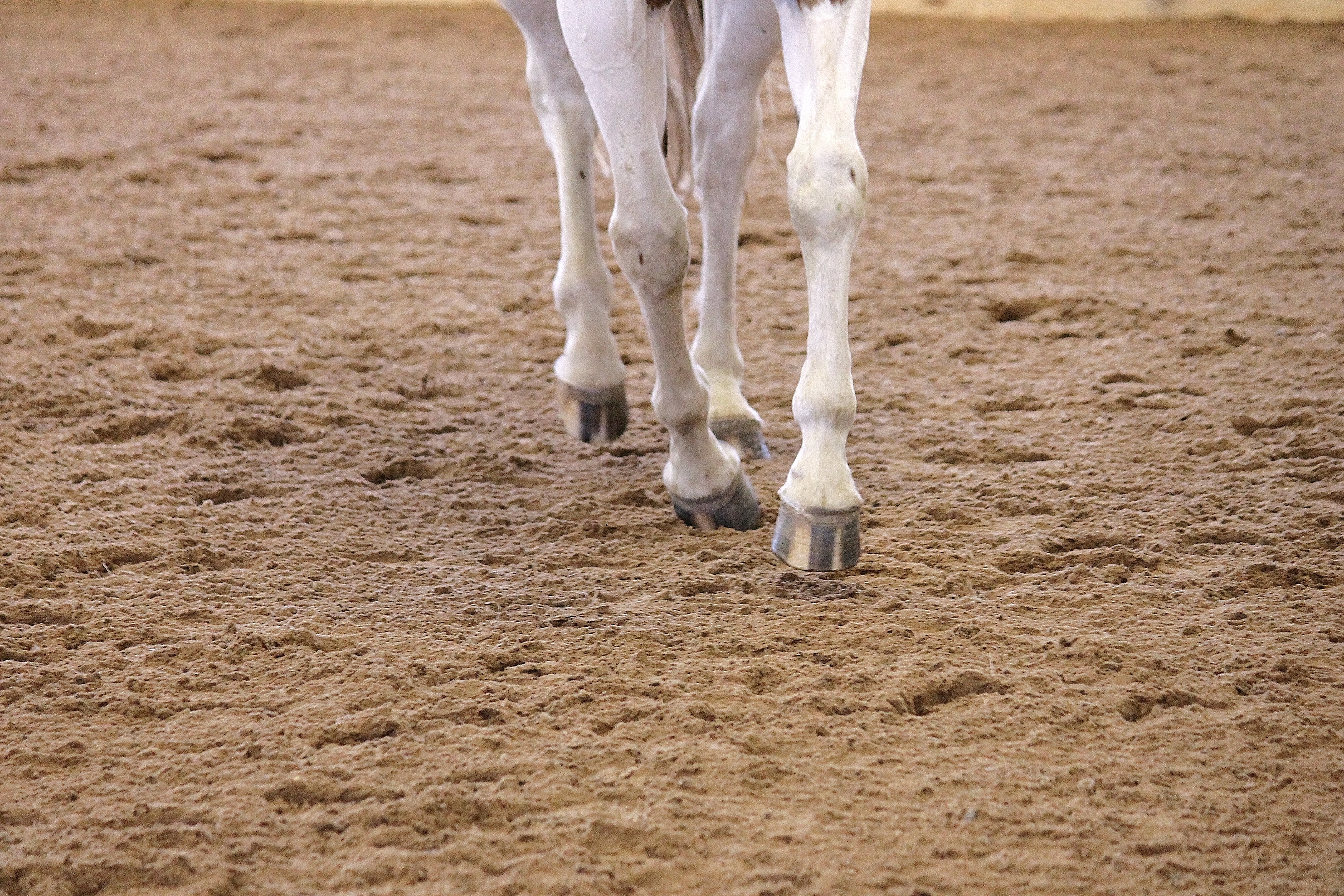
In the collection of the published scientific papers titled Equine Surfaces White Paper, eight different researchers came together to study how the different surfaces that horses train or work or ride on, can greatly affect the horse’s ability or performance. Although I have been riding horses my entire life, I never realized how surfaces truly could affect riding. When riding, the hoof to surface impact has roughly four phases: primary impact, secondary impact, midstance, and rollover. Just to keep things short and sweet we can focus on the secondary impact. This is when the hoof has completely met the surface, and the body of the horse tends to push the hoof forward. The surface that the horse is training or working on can greatly affect just how much hoof slide the horse has. A small amount of hoof slide is the correct amount, not too much but not too little. However, if the area where the horse is has a very slippery surface, and the hooves are sliding too much, this can lead to injury in the muscles and bones in the legs of the horse from large frictional forces.

During these rainy weeks we have been having, horses still need to be trained and most of the time, training continues in an indoor riding arena. It can get very dusty and sometimes the materials that are used can create this slippery situation we just discussed. If you are riding in an arena, whether indoor or outdoor, where the footing isn’t ideal, maybe it’s time to look into new materials to put down in this area. If it comes time to change these conditions, look no further than TruStride® by IGK Equestrian. TruStride® has the perfect combination of pure silica sand, shoe sole rubber granules, and a special wax that makes the perfect indoor arena material. The combined materials create a uniform surface that is flexible, resilient, and dust free! The rubber granules in the special mixture allow the horse to rebound off of the surface with the correct amount of hoof slide. When you have TruStride® in your arena, you can focus more on the training of your horse, and not on worrying about a slippery arena footing and the damage it could cause.

The Top 5 Complaints About Arena Footing

August 12, 2015

I know I know, it has been awhile since I’ve posted a blog on Carolyn’s Footing and Bedding Blog, but I’m back now, and will be posting regularly! Don’t you worry!

Over the years, Peter and I have heard dozens of reasons why people want toIMG_2358upgrade their arena footing. Here are the top five, each one guaranteed to make your horse look for the fastest way out of the ring.

  • Complaint #5: Too hard. Nothing makes a horse ring-sour faster than training on a highly compacted, unyielding surface that fails to absorb the shock of concussive hoof force. Except, perhaps, a riding surface that’s…
  • Complaint #4: Too deep. How deep is too deep? Generally, anything deeper than six inches has the potential to strain tendons and ligaments or pull a shoe. Exceptions can be made for reining or cutting, where a deeper layer of footing material is desirable.
  • Complaint #3: Too cuppy. A dry, loose surface that breaks away under your horse’s hooves can make him bow a tendon, strain a suspensory or slip a stifle. At the very least, it will make him resent his job. And maybe you.
  • Complaint #2: Too much maintenance. The last thing you want is an arena that requires an hour of maintenance for every hour of riding. We hear this complaint most often with loose materials like sand and stonedust that require frequent dragging and daily watering to keep dust under control. Which naturally leads us to the #1 complaint about arena footing…
  • Complaint #1: Too dusty.  Airborne dust can cause eye, nose and respiratory problems (including asthma attacks) in both riders and horses, reduce the amount of available oxygen at the time the horse needs it most, impact visibility, alarm your neighbors and require up to thousands of gallons of water a day just to keep it under control. Dust is far and away the biggest headache for owners of sand and stonedust arenas.

Fortunately, a dust-free footing like TruStride®, composed of recycled rubber, fiber, sand and wax, provides a properly cushioned, stable, supportivesurface that never needs watering because it’s truly dust-free. Peter and I have installed TruStride® (and its economical cousin, LiteStride®) in more than 250 indoor and outdoor arenas throughout North America. Now folks in these facilities are spending more time training – and less time complaining.

What’s your biggest beef with arena footing?